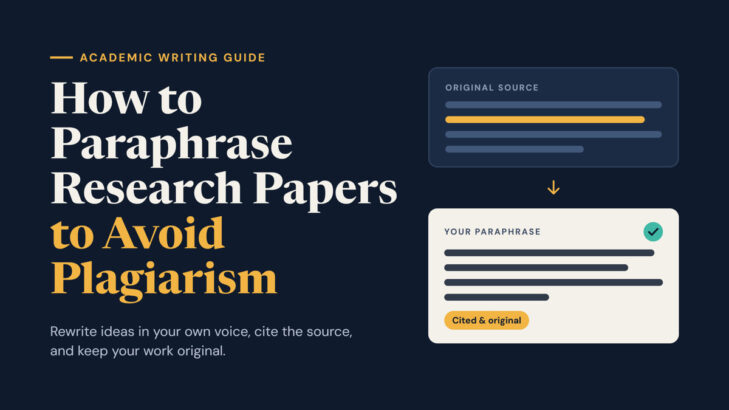
How to Paraphrase Research Papers to Avoid Plagiarism?
Writing a research paper requires using information from journals, books, research studies, and other academic sources. However, copying content directly can lead to plagiarism. Learning how to paraphrase research papers to avoid plagiarism is therefore essential for students, scholars, and researchers.
Proper paraphrasing allows you to present an existing idea in your own words while maintaining its original meaning and giving credit to the original author. In this guide, DST Arena explains effective research paper paraphrasing techniques and ways to reduce plagiarism in academic writing.
What Is Paraphrasing in Research Papers?
Paraphrasing means rewriting information from an original source using your own words and sentence structure without changing the original meaning. It is different from simply replacing a few words with synonyms.
Effective research paper paraphrasing requires understanding the source, reorganizing the information, and presenting it naturally in your own academic writing style.
Why Is Paraphrasing Important?
Paraphrasing helps researchers:
- Present information in their own writing style
- Reduce unnecessary textual similarity
- Demonstrate understanding of existing research
- Improve the flow of academic writing
- Integrate previous research into their arguments
- Maintain academic integrity
How to Paraphrase Research Papers to Avoid Plagiarism?
1. Read and Understand the Original Source
Before rewriting anything, carefully read the original research paper or paragraph. Understand the author’s main argument, findings, and supporting information. Paraphrasing without understanding the source can change the intended meaning.
2. Identify the Main Idea
Determine exactly what information you need from the source. Focus on the central idea rather than trying to rewrite every sentence. This helps you create concise and relevant academic content.
3. Rewrite in Your Own Words
After understanding the information, explain it using your own academic language. Avoid looking at the original sentence while writing. This makes it easier to create an independent sentence structure.
4. Change the Sentence Structure
Good paraphrasing involves more than changing vocabulary. Restructure sentences, reorganize information, and use appropriate grammatical patterns while keeping the original meaning accurate.
5. Cite the Original Source
Even when you completely rewrite the content, the underlying idea still belongs to the original researcher. Therefore, always provide an appropriate citation according to your required style, such as APA, MLA, Chicago, or IEEE.
6. Check Your Paraphrased Content
Compare your rewritten content with the original source. Make sure you have not accidentally copied phrases or changed important information. After completing your paper, use a reliable plagiarism or similarity checker to review the content.
Common Paraphrasing Mistakes to Avoid
Changing Only a Few Words
Replacing a few words with synonyms while keeping the same sentence structure may still result in excessive similarity.
Forgetting Citations
Paraphrased content still requires citation when the idea or information comes from another researcher.
Using Automatic Paraphrasing Without Review
Automated tools can sometimes change the meaning or introduce inaccurate information. Always review and edit the final content carefully.
How to Reduce Plagiarism in Research Papers?
To reduce plagiarism in a research paper, identify similar sections, understand the original sources, rewrite unnecessary similarities, add missing citations, and check the document again.
The goal should not simply be to achieve a lower similarity percentage. Instead, researchers should focus on original academic writing, proper attribution, accurate referencing, and clear presentation of research findings.
How DST Arena Can Help With Research Paper Paraphrasing?
DST Arena provides academic and research support for students and researchers working on research papers, theses, and dissertations. Assistance can include research paper paraphrasing, plagiarisv